
杀生
PLA Southern Theater Command tracks, monitors and warns 3 Philippine aircraft after their illegal entry into Huangyan Dao airspace_我的网站

一 |
澎湃新闻记者 岳怀让 实习生 吴乐妍澎湃新闻记者从唐师曾多位友人处获悉,知名战地记者唐师曾已于2026年8月23日在北京逝世,享年65岁。 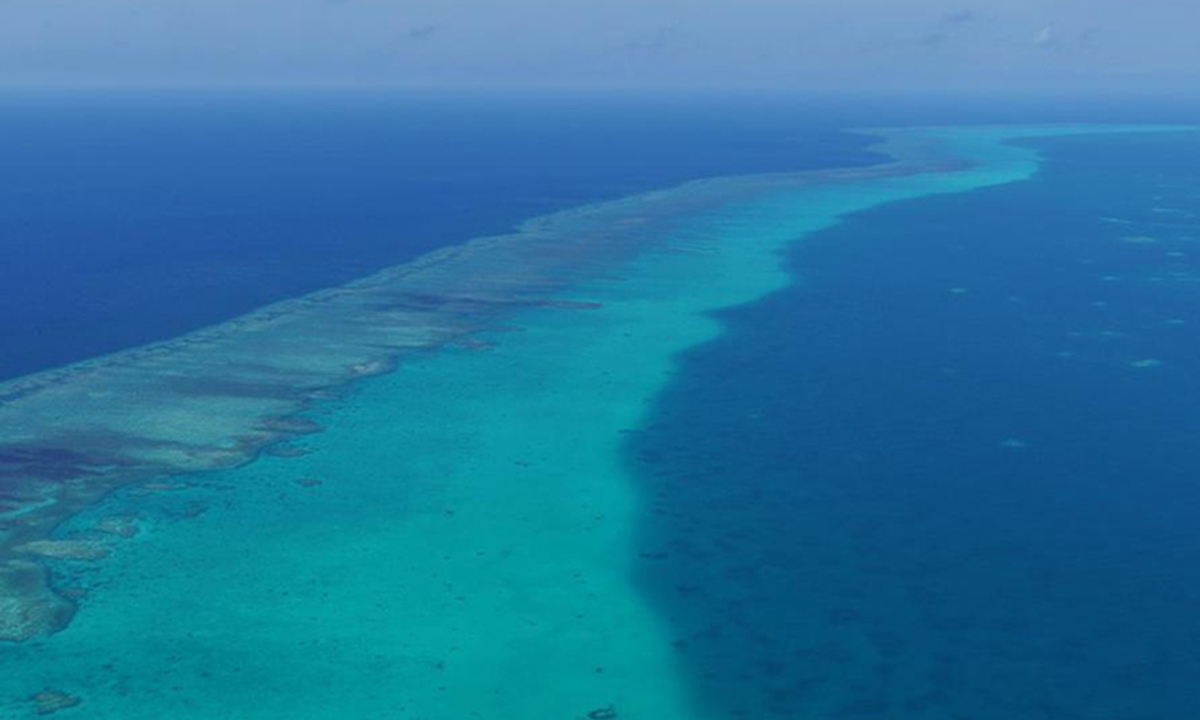
On Friday, three small Philippine aircraft - an Islander, a C-208, and a PA-31T - illegally intruded into China's territorial airspace over Huangyan Dao without approval from the Chinese government. The naval and air forces dispatched by the PLA Southern Theater Command (STC) tracked and monitored the Philippine aircraft, and issued verbal warnings to them in accordance with laws and regulations, senior Colonel Li Jianjian, spokesperson for the PLA STC Air Force, said in a statement on Friday.
The acts of the Philippine side seriously violate China's sovereignty, and are highly likely to cause misunderstanding and miscalculation. "We sternly warn the Philippine side to stop rights-violation and provocative acts immediately. Forces of the STC remain on high alert at all times to firmly safeguard national sovereignty and security as well as regional peace and stability," said the spokesperson.
Ding Duo, director of the Research Center for International and Regional Issues at the National Institute for South China Sea Studies, called the Philippines' latest move another "stunt."
The Philippines previously submitted its so-called "territorial sea baselines" around Huangyan Dao, so it is not unexpected that Manila would follow up with actions at sea or in the air to stir up tensions, keep the issue in the spotlight and stage further provocations, said Ding.
At present, the Philippines can barely gain access to the relevant waters and has secured no tangible advantage there. Aircraft, however, can enter and leave the area quickly. Such operations not only provide material for media hype but also generate footage of China's response, allowing Manila to project resolve and reassure its military and law-enforcement forces at home, Ding told the Global Times.
In late July, the Philippines notified the United Nations of the so-called "baselines and maritime zones" surrounding Huangyan Dao. On July 31, the Chinese Foreign Ministry issued a statement on the Philippines' delimitation of the so-called "baselines of the territorial sea" around Huangyan Dao, calling the move "a grave infringement upon China's territorial sovereignty and a serious violation of international law."
"It is illegal, null and void. China firmly rejects and will never accept it," the statement said.
Meanwhile, Manila appears emboldened by growing security and defense cooperation with the US and Japan. Backed by these external partners, the Philippines has shown greater willingness to stage provocations, while its military and law-enforcement forces have displayed increasingly risk-prone and opportunistic behavior, said Ding.
China has exercised considerable restraint over the Huangyan Dao, but the Philippines should not mistake that restraint for weakness. If China were to employ the full range of available measures, Philippine aircraft would likewise be denied access to the area, said Ding.
By dispatching small aircraft for deliberate provocations, the Philippines is further increasing the risk of miscalculation. Such aerial incursions are highly unpredictable and carry serious escalation risks. If China responds with resolute or more forceful measures to defend its rights and an unintended incident occurs as a result, the Philippines should bear full responsibility for the consequences, the expert warned.
。
On Friday, three small Philippine aircraft - an Islander, a C-208, and a PA-31T - illegally intruded into China's territorial airspace over Huangyan Dao without approval from the Chinese government. The naval and air forces dispatched by the PLA Southern Theater Command (STC) tracked and monitored the Philippine aircraft, and issued verbal warnings to them in accordance with laws and regulations, senior Colonel Li Jianjian, spokesperson for the PLA STC Air Force, said in a statement on Friday.
The acts of the Philippine side seriously violate China's sovereignty, and are highly likely to cause misunderstanding and miscalculation. "We sternly warn the Philippine side to stop rights-violation and provocative acts immediately. Forces of the STC remain on high alert at all times to firmly safeguard national sovereignty and security as well as regional peace and stability," said the spokesperson.
Ding Duo, director of the Research Center for International and Regional Issues at the National Institute for South China Sea Studies, called the Philippines' latest move another "stunt."
The Philippines previously submitted its so-called "territorial sea baselines" around Huangyan Dao, so it is not unexpected that Manila would follow up with actions at sea or in the air to stir up tensions, keep the issue in the spotlight and stage further provocations, said Ding.
At present, the Philippines can barely gain access to the relevant waters and has secured no tangible advantage there. Aircraft, however, can enter and leave the area quickly. Such operations not only provide material for media hype but also generate footage of China's response, allowing Manila to project resolve and reassure its military and law-enforcement forces at home, Ding told the Global Times.
In late July, the Philippines notified the United Nations of the so-called "baselines and maritime zones" surrounding Huangyan Dao. On July 31, the Chinese Foreign Ministry issued a statement on the Philippines' delimitation of the so-called "baselines of the territorial sea" around Huangyan Dao, calling the move "a grave infringement upon China's territorial sovereignty and a serious violation of international law."
"It is illegal, null and void. China firmly rejects and will never accept it," the statement said.
Meanwhile, Manila appears emboldened by growing security and defense cooperation with the US and Japan. Backed by these external partners, the Philippines has shown greater willingness to stage provocations, while its military and law-enforcement forces have displayed increasingly risk-prone and opportunistic behavior, said Ding.
China has exercised considerable restraint over the Huangyan Dao, but the Philippines should not mistake that restraint for weakness. If China were to employ the full range of available measures, Philippine aircraft would likewise be denied access to the area, said Ding.
By dispatching small aircraft for deliberate provocations, the Philippines is further increasing the risk of miscalculation. Such aerial incursions are highly unpredictable and carry serious escalation risks. If China responds with resolute or more forceful measures to defend its rights and an unintended incident occurs as a result, the Philippines should bear full responsibility for the consequences, the expert warned.
。

二 | 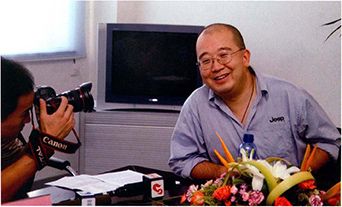 稍早前,唐师曾的中国政法大学、北京大学校友在一封写给他的信中提到,唐师曾是一位“白血球几乎为零的危重病人”,自身免疫力因为化疗已经降到了最低,站立和行走可能随时跌倒。据北京大学新闻网介绍,唐师曾,1961年生,江苏无锡人。

三 | 唐师曾曾任新华社记者、北京大学国际关系学院理事、中国政法大学兼职教授、装甲兵学院研究员,中国作家协会会员、中国摄影家协会会员。唐师曾早年在北京大学国际政治系就读,1983年进入中国政法大学政治系任教,1986年考入新华社,1990年代长期在中东地区从事战地新闻报道,曾采访加利、卡扎菲、穆巴拉克、阿拉法特、沙米尔、拉宾、佩雷斯、巴拉克、沙龙、曼德拉等国际政要。1998年,唐师曾因受辐射伤害罹患“再生障碍性贫血”,住院做骨穿等治疗。唐师曾主要作品包括:《我从战场归来》《我钻进了金字塔》《重返巴格达》《我的诺曼底》等。

四 |
Current article:http://23z.shuosongzoutunchutao.cfd/news/20260826_253.html
Published on:08:32:29


